Abuja Area Guide

Abuja, the resplendent capital city of Nigeria, stands as a testament to modern urban planning fused with cultural heritage. Established in the 1980s and officially becoming the capital on December 12, 1991, Abuja was meticulously designed to replace Lagos, alleviating the congestion and overcrowding of the former capital. Nestled in the heart of the country, it symbolizes Nigeria’s unity and diversity, offering a neutral ground that bridges the numerous ethnic and cultural divides.

Abuja: A Purpose-Built Capital

Unlike many capitals that evolved organically over centuries, Abuja is a purpose-built city. The master plan was developed by International Planning Associates (IPA), a consortium of three American firms, ensuring that every aspect of the city was thoughtfully considered. This deliberate planning is evident in its wide boulevards, efficient road networks, and well-organized districts designated for business, residential, and governmental functions. The city’s layout promotes accessibility and ease of movement, reducing traffic congestion and enhancing the quality of life for its residents.

Geographical Significance

Strategically located in Nigeria’s geographical center, Abuja is easily accessible from all parts of the country. This centrality was a key factor in its selection as the capital, aiming to foster a sense of inclusivity and equal representation. The city is surrounded by undulating hills and remarkable rock formations, such as the famous Aso Rock and Zuma Rock, which not only provide breathtaking scenery but also hold cultural and historical significance.

Economic and Political Hub

As the seat of the federal government, Abuja hosts all major governmental bodies, including the Presidential Complex, National Assembly, and Supreme Court. This concentration of political power has spurred significant economic growth, attracting multinational corporations, international organizations, and a myriad of businesses seeking proximity to decision-makers. The city’s economy is bolstered by sectors such as construction, real estate, telecommunications, and hospitality, providing ample opportunities for investors and entrepreneurs.

Modern Infrastructure and Amenities

Abuja boasts some of the most advanced infrastructure in Nigeria. The Nnamdi Azikiwe International Airport connects the city to major global destinations, facilitating international trade and travel. The city’s road networks are complemented by ongoing developments in public transportation, including the Abuja Light Rail project, which aims to enhance intra-city connectivity.

Residents enjoy access to top-tier healthcare facilities, educational institutions, and recreational amenities. The city is home to esteemed universities, international schools, and research centers, fostering an environment of learning and innovation. Shopping centers like Jabi Lake Mall and entertainment venues offer leisure activities that cater to diverse interests.

National Mosque in Abuja in Central Business District in Phase one
Phase 1
Transcorp Hilton Hotel in Abuja in Phase 2
Phase 2
National Stadium in Abuja
Phase 3
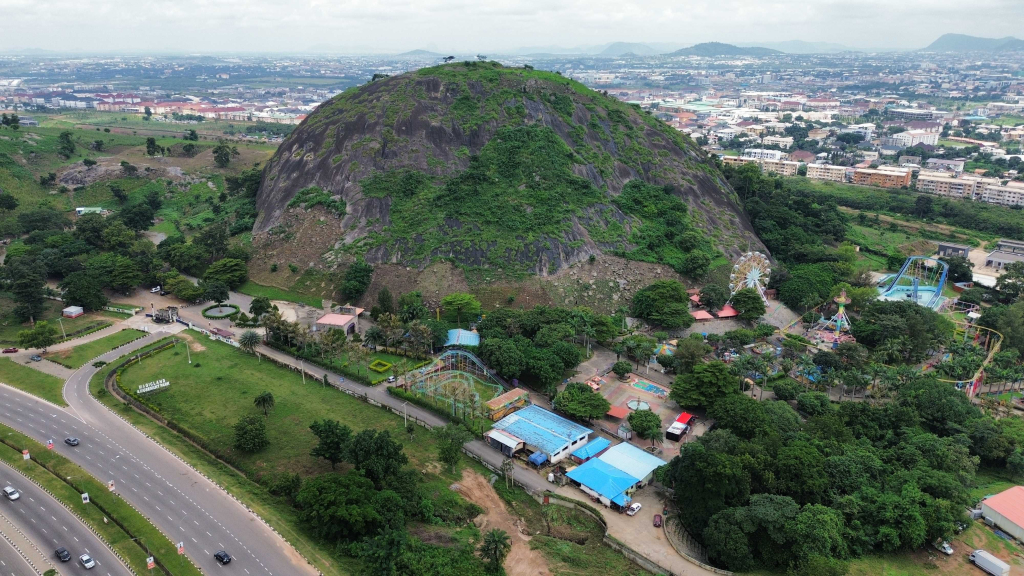
Magic land
Phase 4
Abuja Master roads
Phase 5

Explore All Abuja Neighborhoods

Detailed guides for every major area — compare lifestyle, prices, schools and active listings, then find your perfect match.

Phase 1 — Old City Core

Maitama • Asokoro • Wuse • Garki • Central Area
5 areas70+ listings

Maitama

Luxury

Abuja’s most prestigious address. Embassies, Transcorp Hilton and top executives. Tree-lined streets with world-class security.

41 active listings

Asokoro

Luxury

Exclusive government residential district. High-end mansions, diplomatic quarters and tight security make it one of Abuja’s most coveted areas.

30 active listings

Wuse

Commercial

Vibrant hub with Wuse Market, restaurants, banks and high street retail. Great for mixed-use investment and commercial activity.

8 active listings

Garki

Mixed

Historic central district with government offices and a solid mix of residential and commercial properties at competitive prices.

3 active listings

Central Area

CBD

Abuja’s Central Business District. Home to the National Mosque, NNPC HQ and major federal government buildings.

1 active listing

Phase 2 — Mid Abuja

Jahi • Guzape • Wuye • Katampe • Kado • Apo • Utako • Life Camp • Durumi • Jabi • Mbora
11 areas213+ listings

Jahi

Popular

One of Abuja’s fastest growing suburbs. Modern homes, great schools, shopping centres and easy access to the airport.

57 active listings

Guzape District

Premium

Hilly terrain with panoramic city views. Luxury detached homes on large plots, favoured by top professionals and expats.

51 active listings

Wuye

Premium

Quiet, well-planned estate close to Jabi Lake Mall. Popular with families who value security and modern amenities.

27 active listings

Katampe

Premium

Covers Katampe Main and Extension. Upscale, serene and spacious with large plots attractive to mid-to-high-income families.

21 active listings

Kado

Mid-Range

Well located between Maitama and Wuse. Quiet residential streets with good value for money relative to its premium neighbours.

7 active listings

Apo Resettlement

Affordable

One of Abuja’s most active housing markets. Highly affordable with strong rental demand from civil servants and workers.

16 active listings

Utako

Mixed

Lively district with a mix of residential apartments and commercial spaces. Close to Jabi and major road networks.

6 active listings

Life Camp

Popular

Family-friendly neighbourhood near Jabi and the airport. Good schools, shopping options and steady property demand.

11 active listings

Durumi

Mixed

Central location with both planned estates and developing areas. Growing commercial activity along the expressway.

5 active listings

Jabi

Popular

Home to Jabi Lake Mall and a thriving social scene. Mix of apartments and houses with excellent road access.

4 active listings

Mbora (Cadastral Zone)

Emerging

Developing area along the airport road corridor. Attracting new residential estates with competitive pricing.

5 active listings

Phase 3 — Expanding Belt

Lugbe • Kubwa • Dawaki • Lokogoma • Gaduwa
5 areas75+ listings

Lugbe

Affordable

Closest suburb to Nnamdi Azikiwe International Airport. Massive housing stock, busy markets and strong rental returns.

28 active listings

Kubwa

Affordable

Large satellite town north of the city. Affordable housing, bustling markets and a strong sense of community.

18 active listings

Dawaki

Growth

Fast-developing residential zone between Kubwa and Gwarinpa. New estates with modern designs drawing first-time buyers.

12 active listings

Lokogoma

Mid-Range

Quiet, planned district south of the city centre. Spacious plots, low density and popular with families seeking peace.

14 active listings

Gaduwa

Emerging

Peaceful residential area close to Apo and Lokogoma. Growing estate developments with good value land parcels.

3 active listings

Phase 4 — Outer Growth Corridor

Karsana • Idu Industrial • Kaura
3 areas30+ listings

Karsana

Growth

Adjacent to Gwarinpa with rapid estate development. Affordable plots and new-build houses drawing first-time buyers.

15 active listings

Idu Industrial

Commercial

Abuja’s main industrial and warehouse district. Close to the train station with commercial and mixed-use opportunities.

8 active listings

Kaura

Emerging

Developing district south of the city with a mix of residential estates and undeveloped land at competitive rates.

7 active listings

Frequently Asked Questions

Common questions about Abuja neighborhoods and property areas

What are the best areas to live in Abuja?+
The best areas depend on your budget and lifestyle. Maitama and Asokoro are premium choices with top security. Jahi and Guzape offer upscale living at slightly lower prices. For affordable family homes, Lugbe, Kubwa and Dawaki are popular. Each neighborhood has a detailed area guide on this page.
Which Abuja neighborhoods are most affordable?+
Lugbe, Kubwa, Apo Resettlement and Karsana offer the most affordable housing in Abuja. You can find 2–3 bedroom flats starting from ₦15 million in these areas. They also have strong rental demand, making them good for investment.
What is the difference between Abuja phases?+
Abuja is developed in phases radiating from the city centre. Phase 1 (Maitama, Asokoro, Wuse, Garki) is the oldest and most developed. Phase 2 (Jahi, Guzape, Katampe) is well established. Phase 3 (Lugbe, Kubwa, Dawaki) is actively growing. Phase 4 (Karsana, Idu, Kaura) is the newest frontier with the most affordable prices.
Which areas in Abuja have the best investment returns?+
For capital appreciation, emerging areas like Dawaki, Karsana and Lokogoma show strong growth trends. For rental yields, Lugbe, Jahi and Apo Resettlement have high tenant demand. Premium areas like Maitama and Asokoro offer stable long-term value with lower vacancy rates.
Is it safe to buy property in Abuja?+
Yes, Abuja is one of Nigeria’s safest cities for property investment. Always verify land titles (C of O, R of O), use a reputable real estate agent, conduct proper due diligence and confirm the property is free from government acquisition.
How do I choose the right Abuja neighborhood?+
Consider your budget, proximity to work, schools, hospitals and shopping. Phase 1 areas are closest to the CBD. For families, Jahi, Wuye and Life Camp offer great amenities. If budget is key, look at Phase 3 and 4 areas. Our area guides give full details including price ranges and local facilities.
What types of properties are available in Abuja?+
Abuja offers detached houses, semi-detached houses, terraced houses (townhouses), flats and apartments, duplexes, bungalows, commercial spaces and bare land. The mix varies by area. Premium areas like Maitama have mostly detached mansions, while Jahi and Lugbe have a wider variety including apartment blocks.
What documents should I check before buying in Abuja?+
Essential documents include the Certificate of Occupancy (C of O), survey plan, building approval, deed of assignment and evidence of tax payments. For estates, also request the layout approval and gazette. Always verify at the Abuja Geographic Information Systems (AGIS) office before any payment.

Ready to find your perfect property in Abuja?

Browse hundreds of verified listings across all neighborhoods

View All Properties

Compare listings

Compare