

Central Area
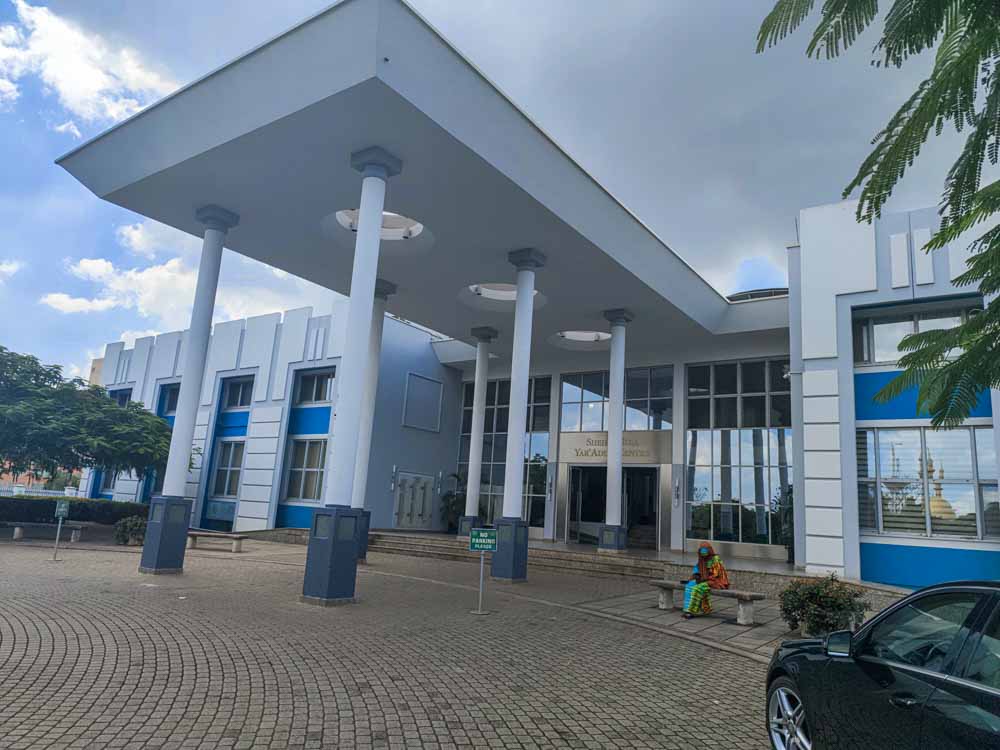
Central Area Abuja is the city’s administrative and commercial core. This district is also known as the Central Business District Abuja, and it sits at the heart of Central Area Phase 1 Abuja for government, corporate, and institutional activity.
| Quick Facts | Details |
|---|---|
| Also known as | Central Business District (CBD) |
| Phase | Abuja Phase 1 |
| Best for | Offices, government/corporate users, shortlets (where applicable) |
| Property mix | Commercial, mixed-use, limited residential pockets |
| Nearby districts | Maitama, Asokoro, Wuse, Garki |
Explore Central Area Properties: Complete Guide to Buying a House in Abuja | Best Areas to Buy a House in Abuja | How Much Does a House Cost in Abuja?
Overview of Central Area (CBD) Abuja
Central Area is where federal institutions, corporate offices, and policy-facing activity are concentrated in Abuja Phase 1. Most buyers and occupiers choose this district for centrality, visibility, and access.
Compared with nearby districts, direct residential stock is limited and often location-priced. If your primary goal is purely residential living, nearby areas usually offer wider options.
What Central Area is Known For
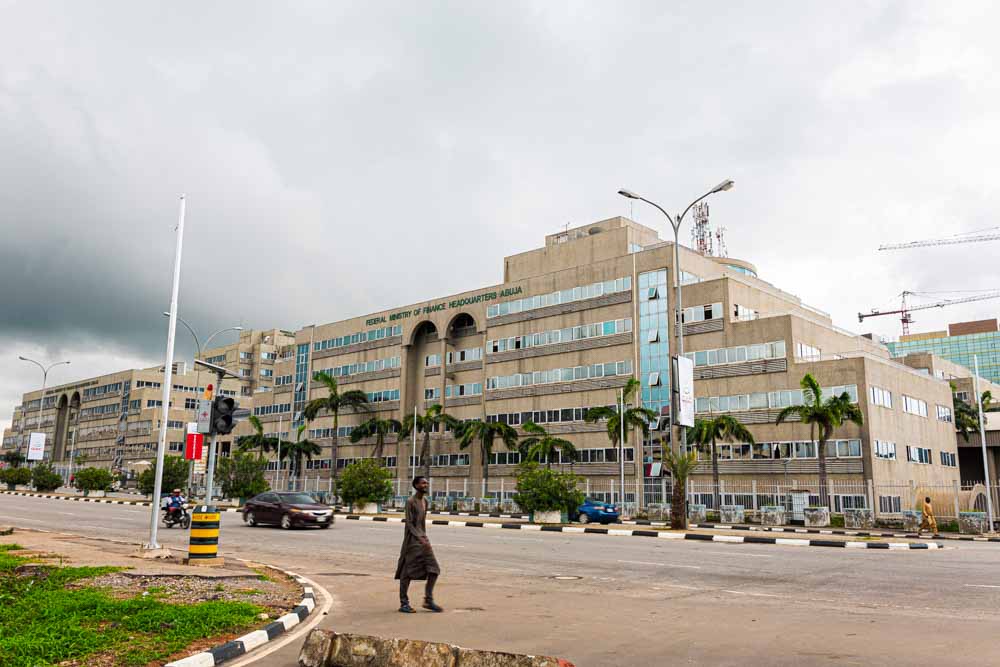
- Federal ministries, institutional offices, and strategic corporate addresses.
- High daytime commercial activity and strong business visibility.
- Fast access corridors into Maitama, Asokoro, Wuse, and Garki.
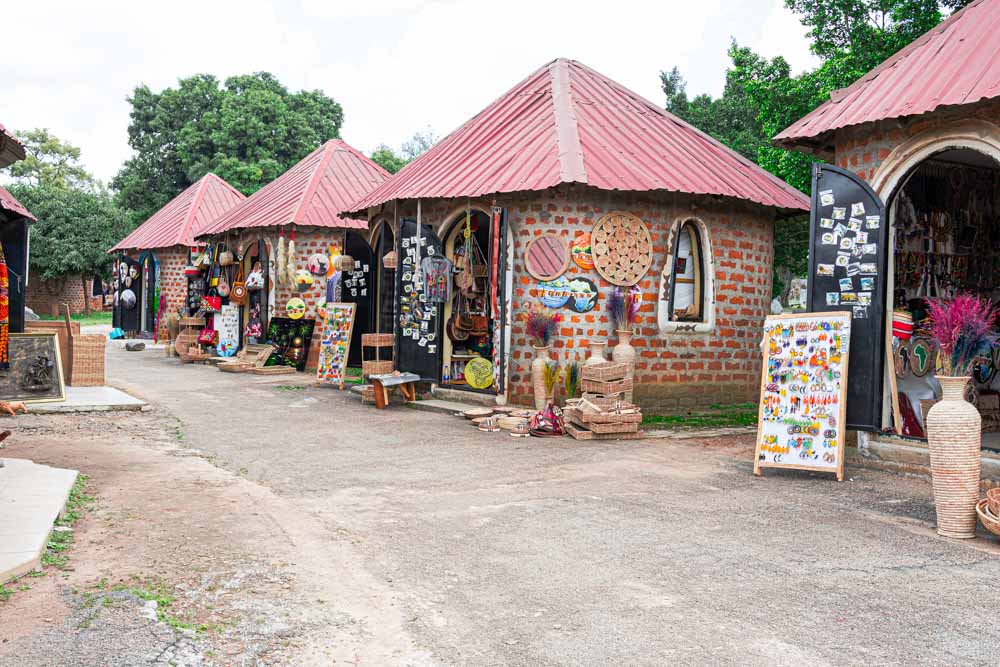
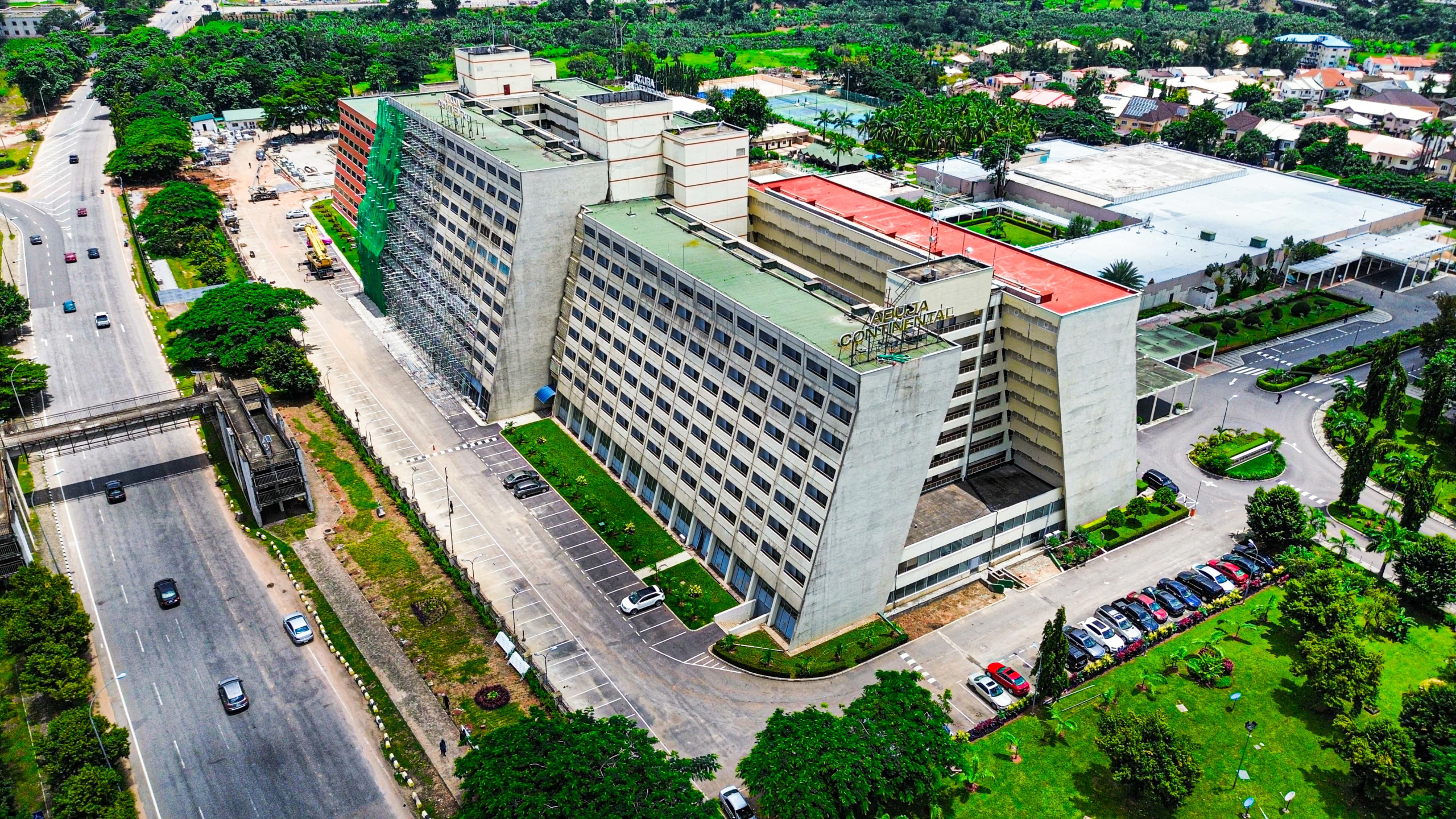
- Landmarks and civic infrastructure tied to Abuja’s core operations.
Landmarks and Key Places
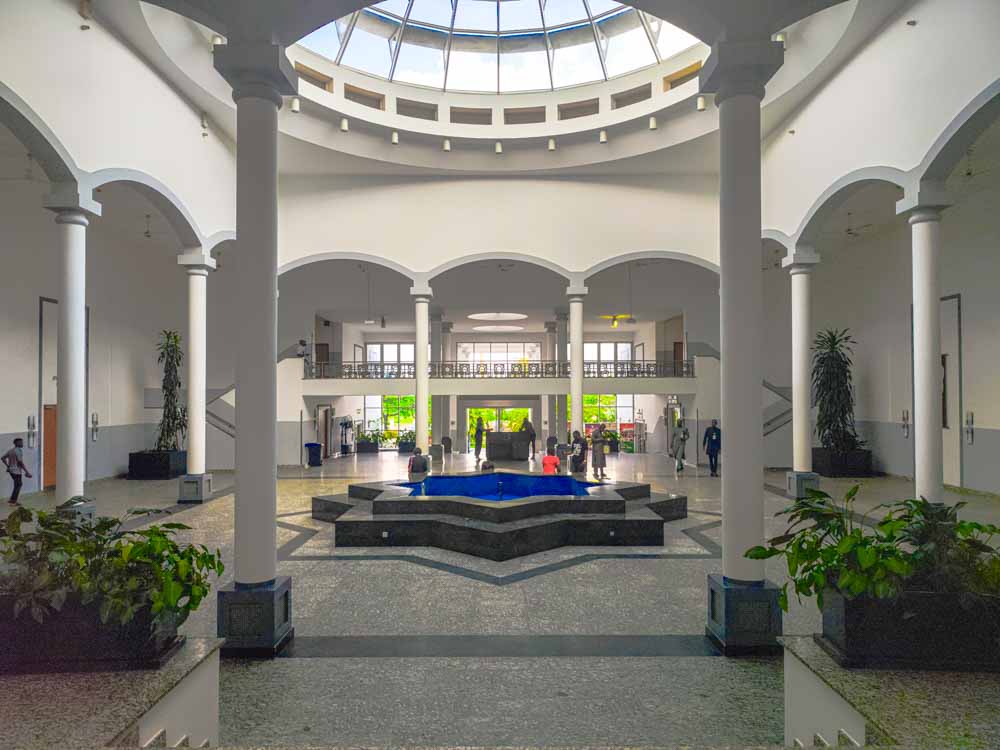
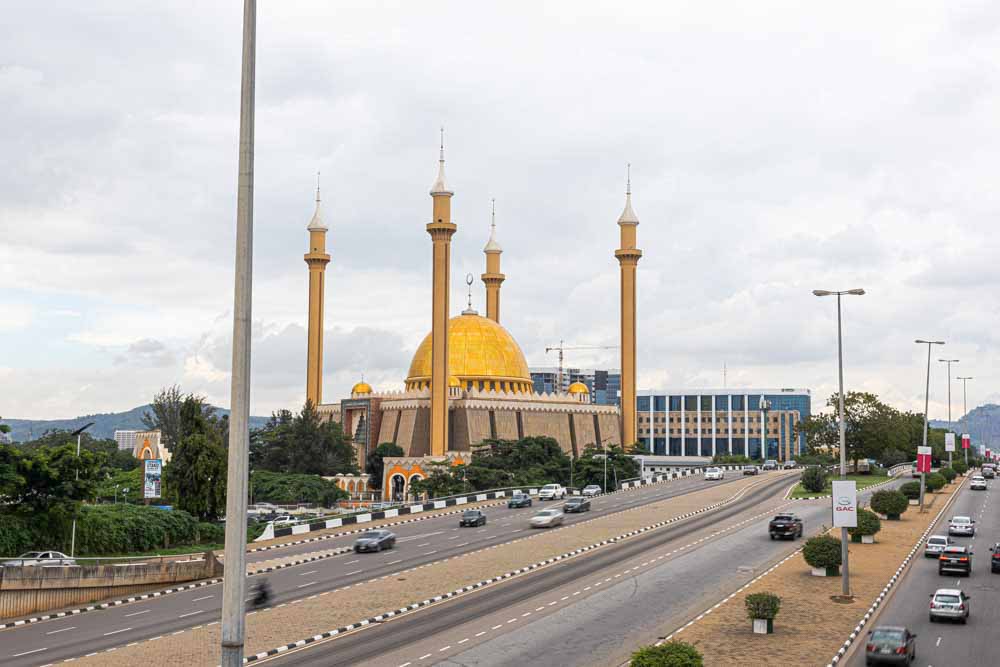
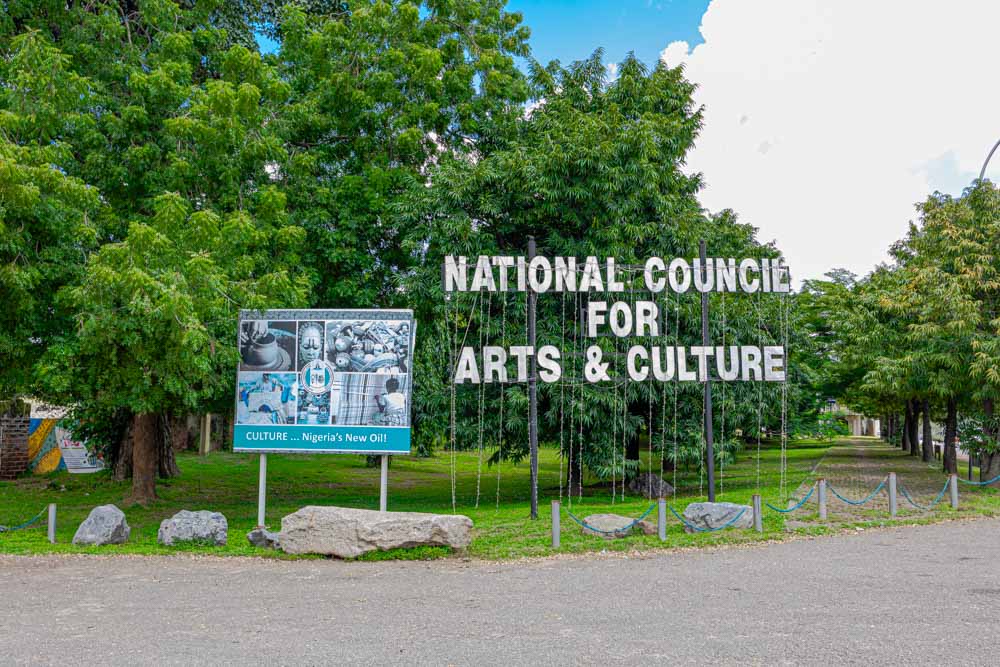
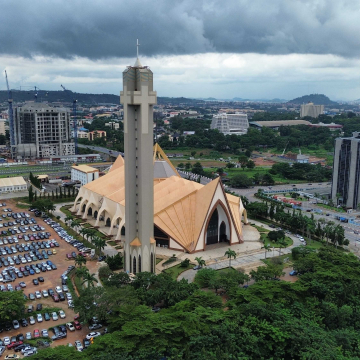
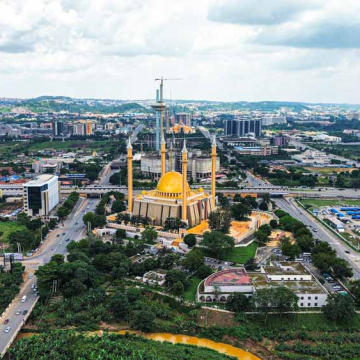
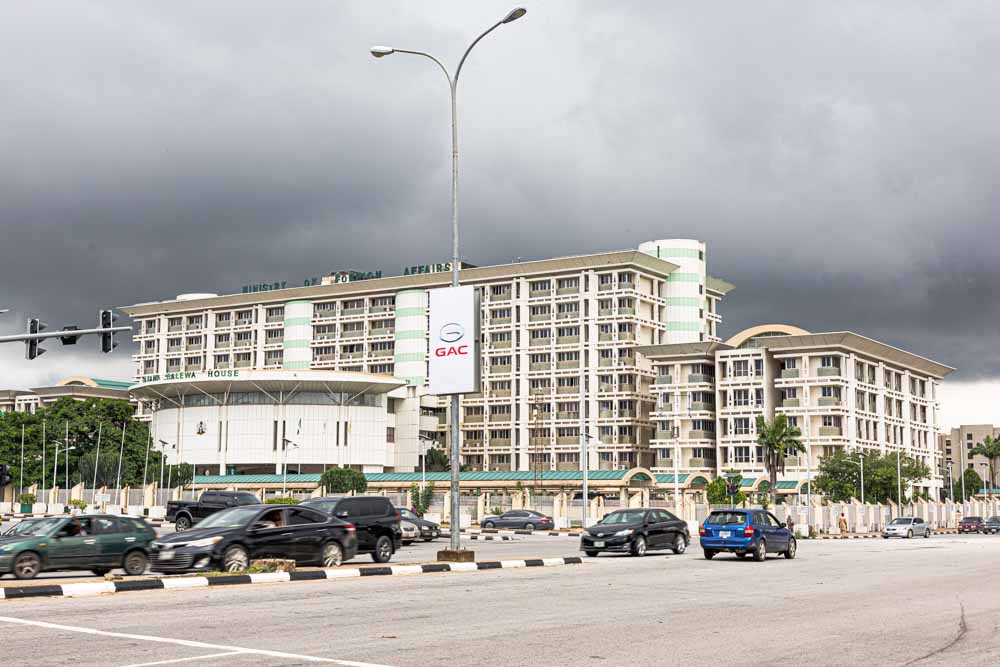
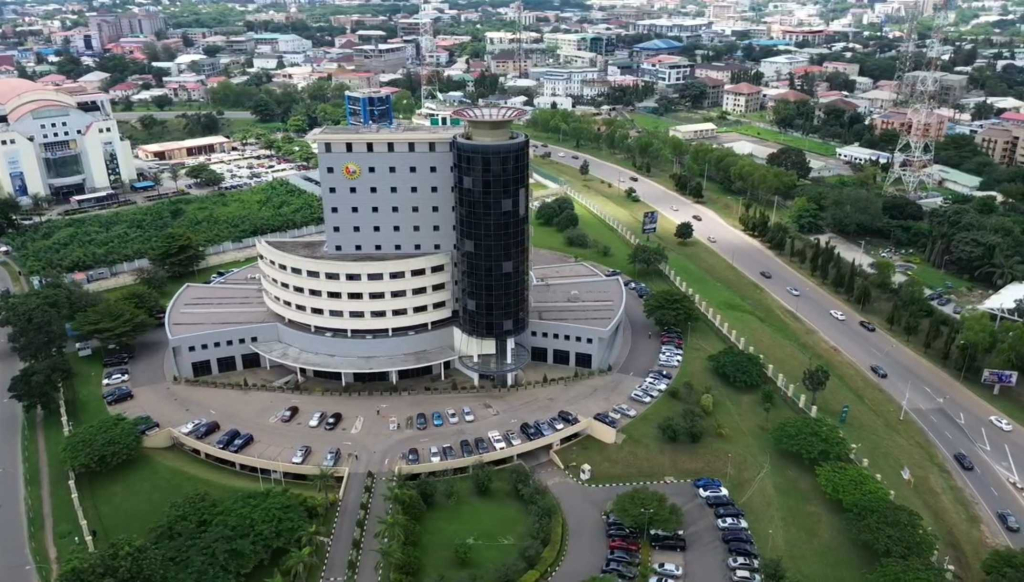
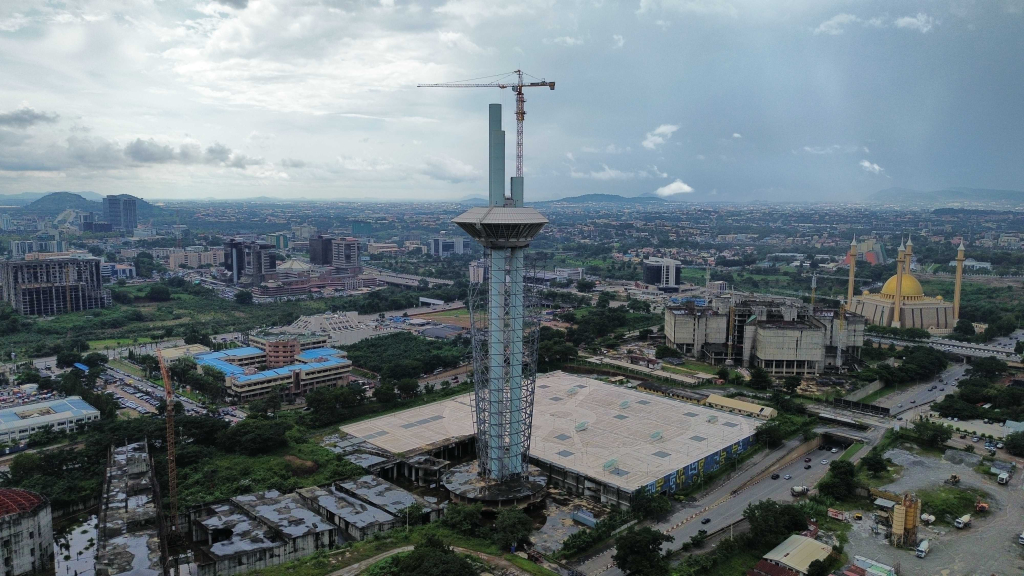
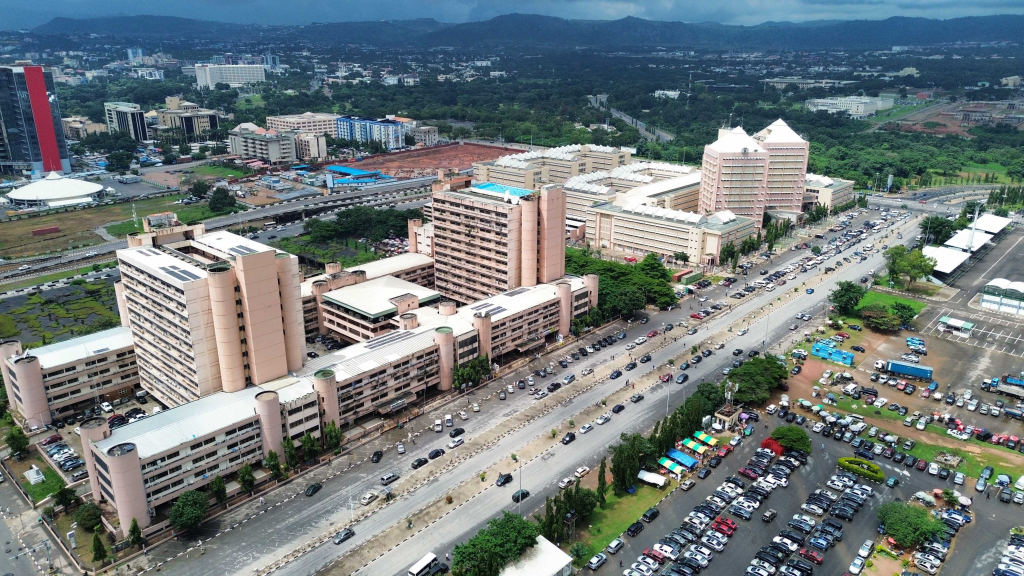
Central Area hosts important civic and business landmarks, including major worship centers, institutional towers, and core federal corridors that define the city center.
- National Mosque and National Christian Centre axis
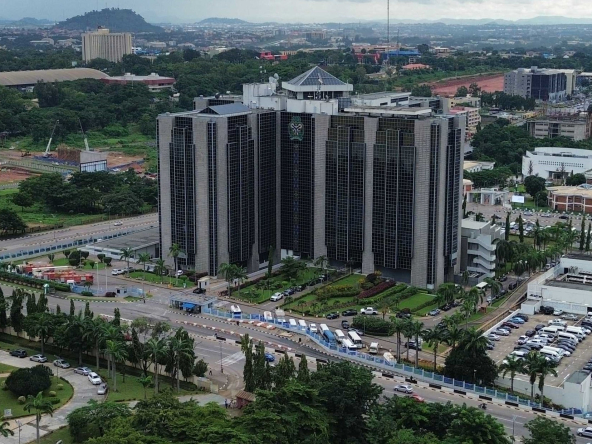
- Central Bank and adjoining federal office corridors
- Constitution Avenue and connecting arterial routes
- Commercial and institutional towers across the CBD spine
Property Types and What People Buy Here
Commercial and mixed-use assets dominate. Most demand centers on office floors, institutional-use buildings, and mixed-use opportunities in strategic blocks.
Residential supply exists but is limited. Buyers looking at Central Area residential units are usually prioritizing location and access over estate-style depth.
- Office and commercial space: strongest demand segment
- Mixed-use properties: active where zoning supports it
- Residential pockets: limited, location-led opportunities
- Shortlet-style demand: often served from surrounding districts as well
Price Snapshot (Update Date: March 2026)
This is a snapshot of typical market ranges (March 2026), not fixed price quotes. Values depend on exact location, title strength, frontage, building quality, and negotiation.
| Asset Type | Typical Market Range (Snapshot) | Notes |
|---|---|---|
| Residential units in/around Central Area listings | About ₦170M–₦800M, with premium outliers above this | Stock is limited and highly location-sensitive |
| Office/commercial occupancy (annual lease) | Broad annual bands by size, frontage, and building class | Often quoted per sqm, floor, or whole unit |
| Office/commercial sale values | Wide ranges based on title quality and tenant profile | Prime addresses attract stronger pricing |
| Commercial land | Limited supply; broad premium per-sqm guidance applies | Zoning, access, and frontage materially affect value |
| Shortlets/apartments | Limited direct CBD stock; stronger options on adjoining districts/fringes | Demand is driven by convenience and business travel |
Always verify current pricing, title documentation, and transaction terms before commitment.
Access, Roads, and Commute
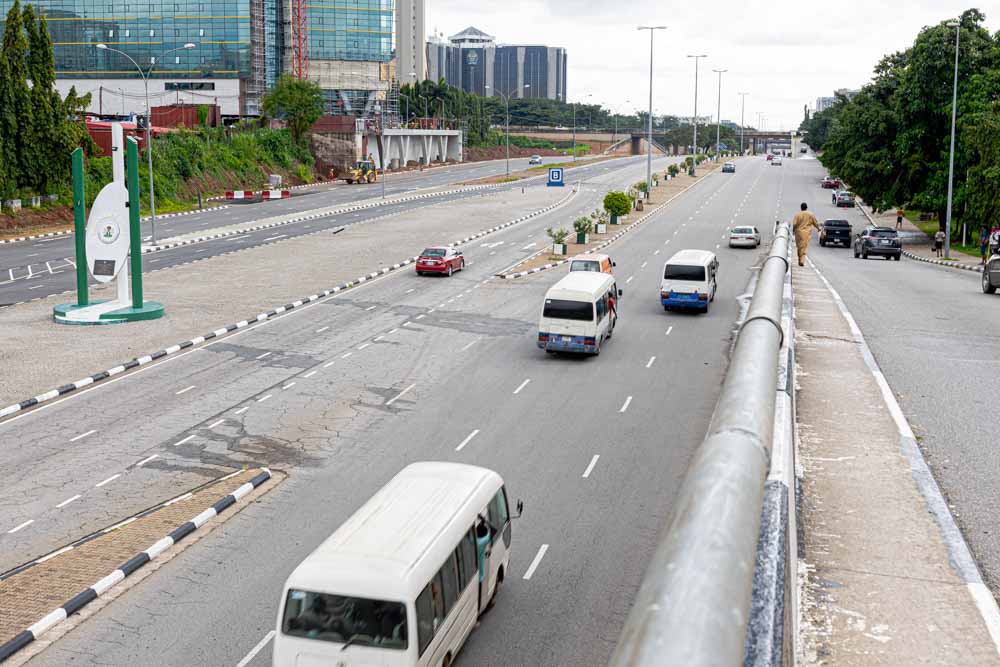
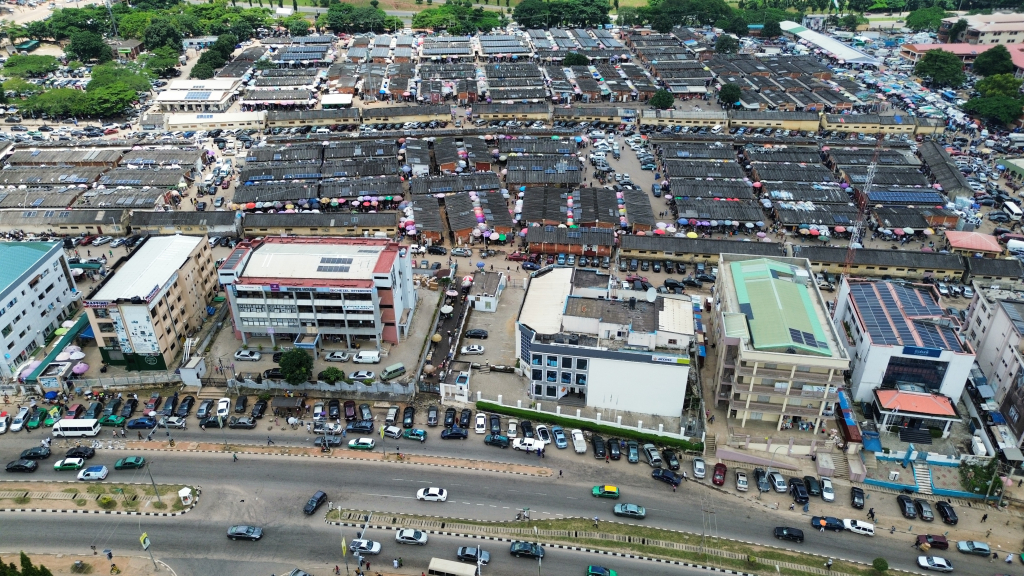
Central Area has some of the strongest road connectivity in Abuja Phase 1. Off-peak movement to Maitama, Asokoro, Wuse, and Garki is usually straightforward, while weekday peaks can add delay.
- Strong inter-district access for official and commercial movement
- Heavy peak-hour traffic in core corridors
- Parking availability depends heavily on building type and location
- Best fit for users who value proximity over low-traffic residential calm
Shopping, Food, and Everyday Services
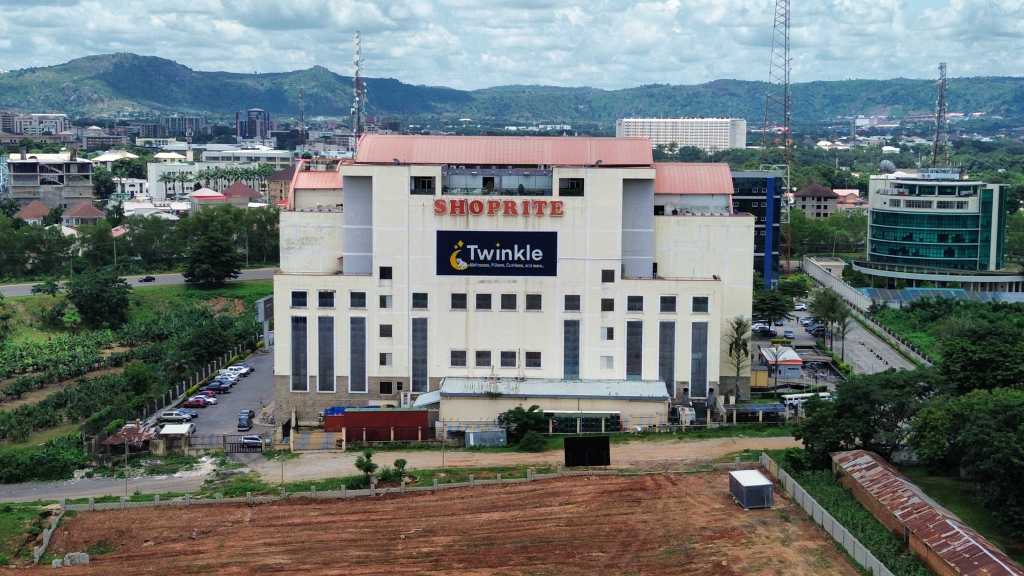
Central Area supports daily business needs with malls, food options, banks, and service outlets. Many users still combine CBD access with nearby district amenities for broader lifestyle convenience.
- Plazas and mall access for workday needs
- Banking and business support services across the central axis
- Restaurant and convenience options for office users and visitors
- Access to healthcare and fitness services within the core network
Pros and Cons (Honest)
Pros
- Prime central positioning in Abuja’s business and institutional core
- Strong visibility for commercial and corporate users
- Efficient access to major Phase 1 districts
Cons
- Residential inventory is limited compared with neighboring districts
- Prime-location pricing can be high
- Traffic and parking constraints are common during peak periods
Central Area vs Nearby Districts
| District | Best Use Case | Typical Entry Cost Level | Lifestyle/Commute Profile |
|---|---|---|---|
| Central Area | Corporate, government, mixed-use positioning | High (location premium) | Most central for official/business movement |
| Maitama | Luxury residential, diplomatic-grade addresses | Very high | Premium residential with strong central access |
| Asokoro | High-security premium residential | Very high | Upscale and relatively quieter residential environment |
| Wuse | Business + retail + mixed residential | Mid-high to high | Very active mixed-use district with broader stock |
| Garki | Established mixed-use core district | Mid-high | Balanced city access with practical daily living mix |
Available Properties in Central Area (Internal CTA)
If your priority is central access for business, institutional proximity, or strategic mixed-use acquisition, start with current listings and verify title and planning documentation before payment.
View Central Area Listings Talk to AI Realent (WhatsApp)
Start from Abuja Area Guide and Phase 1 Area Guide if you are still comparing options.
Frequently Asked Questions About Central Area
1. Is Central Area Abuja safe for living or business?
Central Area has strong institutional presence and active security operations due to its government and corporate concentration. Security outcomes still vary by building, so verify site-level controls before closing.
2. Who is Central Area best for?
It is best for corporate users, government-facing operators, consultants, and buyers who need central positioning. It is less ideal for buyers seeking low-density family-style residential streets.
3. Are residential options in Central Area limited?
Yes. Residential opportunities exist, but they are narrower than in Maitama, Asokoro, Wuse, or Garki. Most deals are location-led rather than volume-led residential supply.
4. What should I expect for office rentals in Central Area?
Rates are usually quoted by size, building class, frontage, and lease structure. Prime assets command stronger rates, so confirm service charge terms and parking rights early.
5. Is land use mainly commercial or mixed-use?
Yes. Central Area is largely commercial/institutional with mixed-use pockets where approved. Always confirm zoning and permitted-use records before committing funds.
6. How do I verify title/documents for a Central Area deal?
Request title documents, survey references, and ownership chain records. Then run independent legal due diligence with a qualified property lawyer before any binding payment.
7. Should I run AGIS/FCT checks before payment?
Absolutely. Independent AGIS and FCT Land Registry checks are standard for risk control in Abuja transactions. Never rely only on seller-provided photocopies or verbal assurance.
8. Is shortlet demand practical in and around the CBD?
Yes, especially for business and official travel demand. Direct core-CBD stock is limited, so many operators also target fringe links and nearby districts with better residential inventory.
9. How is commute and parking reality in Central Area?
Commute access is strong, but peak-hour congestion is normal. Parking quality differs by property, so confirm dedicated bays, visitor spaces, and overflow arrangements during inspection.
10. Central Area vs Wuse for business users: which is better?
Central Area is stronger for institutional proximity and formal visibility. Wuse often offers broader mixed-use inventory and retail-driven activity for certain business models.
11. Central Area vs Maitama/Asokoro for living: what is realistic?
Maitama and Asokoro generally provide deeper premium residential character. Central Area is better viewed as a central-access district where business convenience leads the value proposition.
12. Is Central Area better for commercial investment than residential hold?
In many cases, yes. Commercial and mixed-use positioning tends to align more directly with CBD demand drivers, while residential-led strategies usually have wider options in adjacent districts.
13. How do I book inspection with AI Realent?
Use /contact/ and share your budget, preferred asset type, and timeline. AI Realent can coordinate inspections, title checks, and transaction support.