The Complete Guide to Buying a House in Abuja (2026)

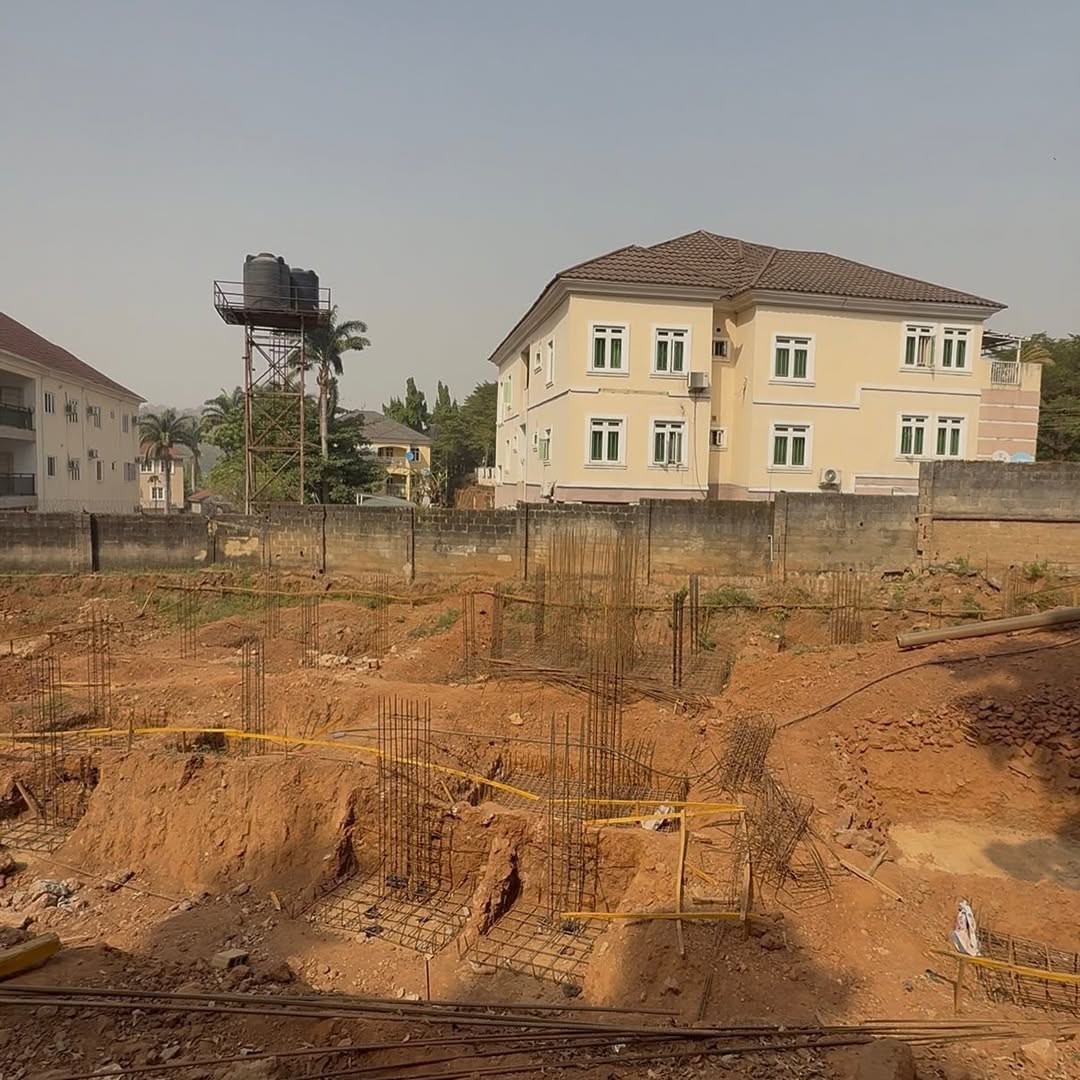
Abuja skyline placeholder image for a buying a house in Abuja guide

Last updated: February 9, 2026

Panoramic view of Abuja showing modern buildings and green spaces, representing the city's real estate market

Buying a house in Abuja is one of the biggest financial decisions you will ever make. Get it right, and you own a valuable asset in one of Africa’s fastest-growing capital cities. Get it wrong, and you could lose tens of millions of naira to bad documents, poor construction, or outright fraud.

This guide walks you through the entire process of buying a house in Abuja, from setting your budget to collecting your keys. It is written for people who want clear, practical steps — not vague advice.

Who this guide is for:

  • First-time home buyers in Abuja (local or diaspora).
  • Investors looking to buy residential property in the FCT.
  • Anyone who wants to understand the buying process before talking to agents or lawyers.

Quick links: Browse houses for sale in Abuja | Talk to AI Realent | Best areas to buy | House prices by area

Table of Contents

What types of houses are available in Abuja?

Before you start browsing, know what you are looking at. In Abuja, “house” covers several property types, and the price and lifestyle are different for each.

Terrace (townhouse)

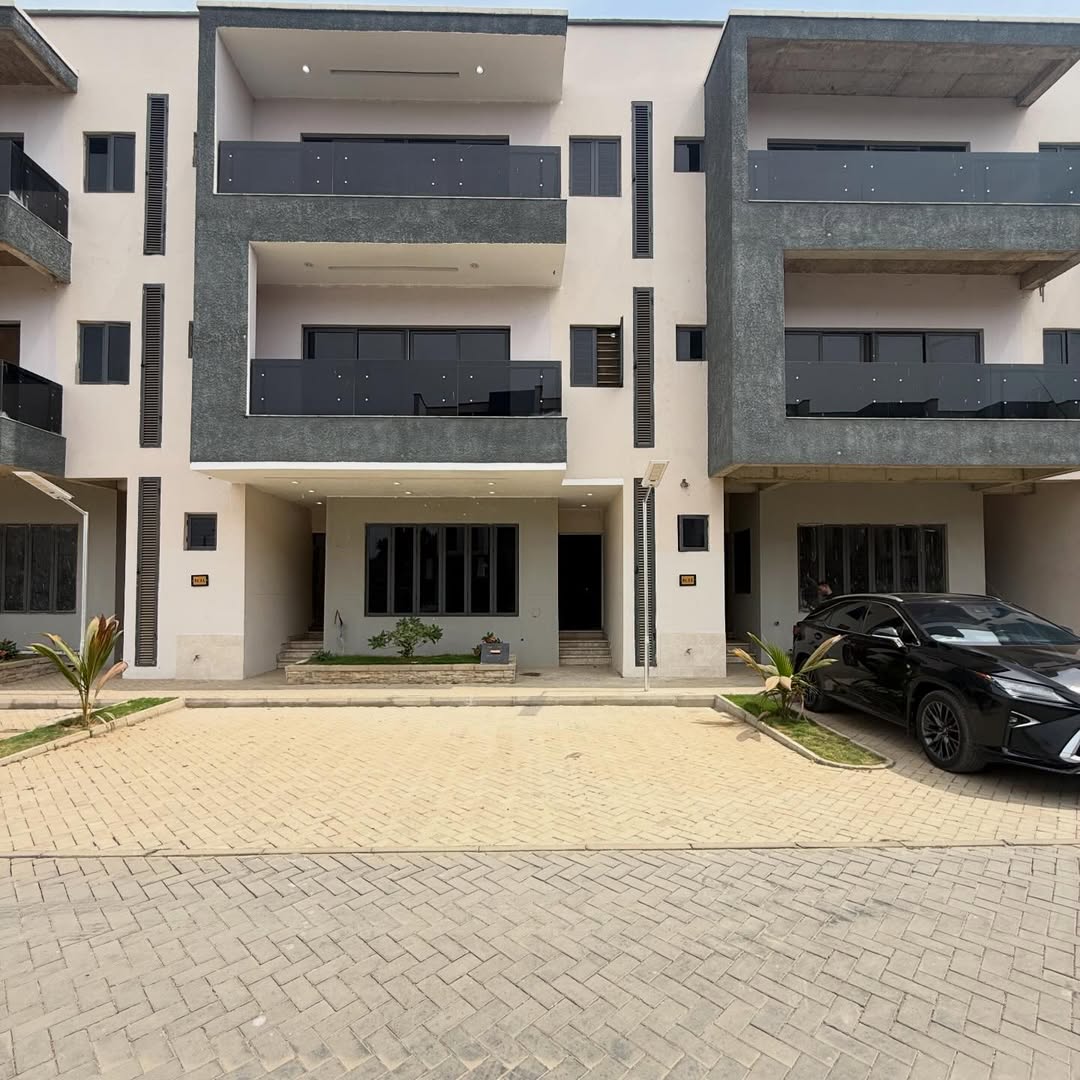
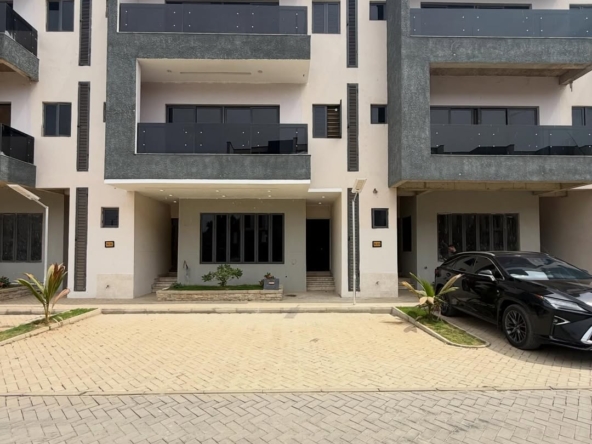
Rows of houses sharing side walls, usually inside a gated estate. This is the most common house type in newer Abuja developments. You get security, shared infrastructure, and estate management — but less privacy and smaller compound space. Terraces are often the most affordable entry point into house ownership in many estates.

Semi-detached duplex

Two houses joined by one shared wall. You get more space and privacy than a terrace, but still share one boundary. Popular in mid-range estates across Jahi, Life Camp, Gwarinpa, and Karsana.

Fully detached duplex

A standalone house with its own compound on all sides. More expensive, but you get full privacy, often a larger plot, and more flexibility with the property. Common in Asokoro, Maitama, Guzape, Katampe Extension, and higher-end sections of other areas.

Bungalow

A single-storey house, sometimes on a larger plot. Bungalows are less common in premium areas but can offer more land and simpler construction. You will find them more often in areas like Lugbe, Kubwa, Lokogoma, and parts of Dawaki.

How to decide

  • Family home: Think about bedrooms, school proximity, security, and quiet streets. A terrace in a well-managed estate often beats a detached house on a noisy, unfenced plot.
  • Investment property: Focus on demand, rental yield, access roads, and property management. Terraces in popular estates often rent faster.
  • Diaspora purchase: Prioritize document safety, estate management (someone handles maintenance), and a trusted local representative.

The 10-step process for buying a house in Abuja

This is the process from start to finish. Each step has its own section below with more detail.

  1. Set your total budget (house price + all extra costs).
  2. Pick 2-3 target areas based on lifestyle, commute, and budget.
  3. Shortlist 5-10 properties and schedule inspections.
  4. Inspect each property and its neighborhood with a checklist.
  5. Verify all documents before paying any deposit.
  6. Negotiate the price and agree on terms in writing.
  7. Engage a property lawyer to prepare and review contracts.
  8. Pay in documented stages with receipts and bank records.
  9. Complete the handover (keys, meters, inventory, estate access).
  10. Register the transfer at AGIS/FCDA to complete ownership.
Infographic showing the 10 steps to buying a house in Abuja, from budgeting to registration

Step 1: Set your total budget (not just the house price)

Most buyers only budget for the price of the house. Then they are surprised by the extra costs. In Abuja, the extras can add 10-20% on top of the purchase price.

What to budget for beyond the house price

Cost item Typical range Notes
Legal fees (lawyer) 5-10% of purchase price Covers contract preparation, review, and filings. Negotiate upfront.
Agency commission 5% (sometimes split) Usually paid by the buyer in Abuja. Can be negotiated.
Title search and verification ₦100,000 – ₦500,000 Checking documents at AGIS and other registries.
Consent fee (Governor’s consent) 3-6% of property value Required for transfer of C of O. This is a government fee.
Stamp duty 1.5% of purchase price Government tax on the transaction.
Registration and filing fees ₦200,000 – ₦1,000,000 Administrative costs for registering the transfer.
Renovation and repairs Varies widely Even “new” houses can need work. Budget ₦5m-₦20m minimum.
Furnishing and setup ₦5,000,000 – ₦30,000,000+ AC units, generator, inverter, furniture, internet.
Estate service charge (if applicable) ₦500,000 – ₦5,000,000/year Covers security, waste, road maintenance in gated estates.
Moving costs ₦200,000 – ₦1,000,000 Movers, logistics, temporary accommodation if needed.

Rule of thumb: If a house costs ₦200 million, plan for a total spend of ₦230-250 million after all fees, repairs, and setup. If you are buying in a premium area like Asokoro or Maitama, the consent and legal fees alone can run into tens of millions.

For detailed price data across all areas, see: How much does a house cost in Abuja?

If you are considering a mortgage, read this first: Understanding mortgage options in Nigeria.

Step 2: Choose the right area (this matters as much as the house)

Two identical houses in Abuja can have very different prices because the area is different. Location drives price, security, resale value, and quality of life.

Quick area guide by budget

For a full comparison of every neighborhood, read: Best areas to buy a house in Abuja.

What to check when evaluating an area

  • Road access: Can you reach the property without major traffic jams during peak hours? Drive the route at 8am and 5pm.
  • Flooding: Does the area or specific street flood during heavy rains? Ask neighbors and check drainage channels.
  • Security: Is it gated? Is there visible security infrastructure? Check at night, not just during the day.
  • Infrastructure: Is there public water supply, reliable power distribution, and paved internal roads?
  • Amenities: How far are schools, hospitals, markets, and fuel stations?
  • Noise: Is it near a mosque, church, event center, or major highway? Visit on a weekend.
  • Development trajectory: Are new estates, roads, or commercial centers being built nearby? This affects future value.

For lifestyle comparisons: Best places to live in Abuja.

Step 3: Shortlist properties and schedule inspections

Do not inspect 20 houses randomly. That wastes time and money. Instead:

  1. Browse online first. Filter by your budget, area, and property type. Browse houses for sale in Abuja.
  2. Create a shortlist of 5-10 properties that match your criteria.
  3. Ask key questions before visiting: What is the land size? Is there a C of O? What are the service charges? Has it been lived in before?
  4. Schedule inspections for 2-3 properties per day, in the same area if possible.

Questions to prepare: Questions to ask before buying property in Abuja (most apply to houses too).

Step 4: Inspect the property properly (use a checklist)

Do not inspect with emotion. Inspect with a system. A house that looks beautiful in photos can have serious structural, drainage, or finishing problems.

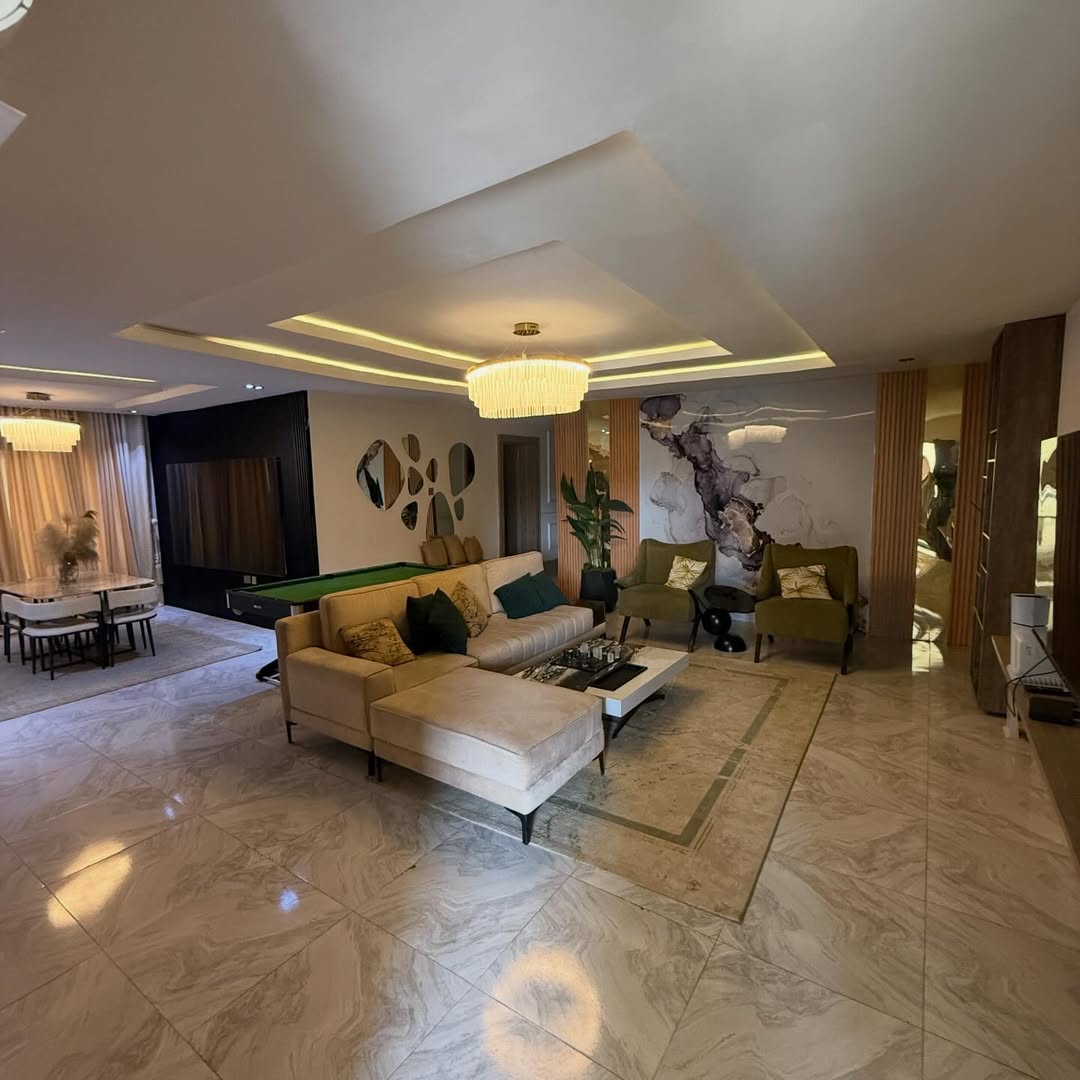
Property inspection in progress at an Abuja duplex, showing a buyer and agent examining the interior

Structural inspection checklist

  • Foundation and walls: Look for cracks, especially diagonal cracks near windows and doors. These can indicate settlement or structural failure.
  • Roof: Check for leaks, sagging, missing sheets, and ceiling stains. Ask when the roof was last repaired.
  • Damp and moisture: Check ground-floor walls for rising damp (dark patches near the floor). Check bathrooms for mold.
  • Drainage: Walk around the compound. Is there proper drainage away from the building? Does rainwater pool near the foundation?
  • Floor level: Is the building raised above the street level? If not, it may flood.

Finishing and fittings checklist

  • Doors and windows: Do they all open, close, and lock properly? Check handles, hinges, and seals.
  • Tiles: Tap tiles gently — hollow-sounding tiles were not properly laid and may crack.
  • Plumbing: Turn on every tap. Flush every toilet. Check under sinks for leaks. Run showers and check water pressure.
  • Electrical: Test every light switch, socket, and breaker. Check the distribution board.
  • Kitchen: Check cabinets, countertops, and fixtures. Are they quality or cheap fittings that will need replacement?
  • Painting: Fresh paint can hide damp, cracks, and poor plastering. Press the walls — soft spots indicate problems.

Compound and estate checklist

  • Parking: How many cars can fit? Is there a garage or just open space?
  • Generator and inverter space: Is there a designated area? Is it ventilated?
  • Water: Is there a borehole, or does the estate supply water? Test the water quality.
  • Gate and fence: Quality of the perimeter wall, gate mechanism, and security features.
  • Neighbors: Who lives next door? What businesses are nearby? This affects your daily experience.
  • Service charge: If it is an estate, what is the annual charge, what does it cover, and is the management responsive?

Record everything

  • Take video of every room, ceiling, and the compound.
  • Photograph any cracks, stains, or defects you notice.
  • Write notes immediately after the visit — your memory will mix up multiple houses.

Pro tip: If you are spending above ₦100 million, bring a structural engineer or experienced builder. Their fee (typically ₦50,000-₦200,000) is nothing compared to the cost of buying a defective property.

Step 5: Verify all documents before paying any deposit

This is where most buyers in Abuja get hurt. A beautiful house with bad documents is not worth buying at any price.

Property documents being reviewed at a desk, including a Certificate of Occupancy and survey plan for an Abuja property

What documents to look for

Document What it proves How to verify
Certificate of Occupancy (C of O) The holder has a 99-year lease from the Federal Government for the land. Search at AGIS (Abuja Geographic Information Systems). Your lawyer should do this.
Right of Occupancy (R of O) The holder was granted occupancy rights, but it may not be as strong as a C of O for resale. Search at AGIS. Understand the difference: C of O vs R of O.
Deed of Assignment Records the transfer of the property from one person to another. Must be stamped and registered. Check the chain of transfer from the original allottee.
Survey plan Shows the exact boundaries and location of the land the house sits on. Cross-check with the survey plan at AGIS. Ensure coordinates match.
Building approval The Development Control Department approved the construction. Check at FCDA Development Control or the relevant area council.
Tax clearance The seller has paid outstanding property taxes. Confirm at FIRS or state revenue service.
Receipts of prior payments Payment trail from the original allocation or prior sales. Trace the chain of payments. Look for gaps or inconsistencies.

Detailed guide: How to conduct a land search and verify property titles in Abuja.

Learn about land title documents: Types of land title documents in Abuja.

Red flags that should stop a purchase

  • The seller refuses to show original documents or says they are “with someone” and will bring them later.
  • The name on the title does not match the seller, and there is no clear, documented chain of transfer.
  • The price is significantly below market rate with no clear reason (divorce sale, relocation, etc.).
  • You are pressured to pay quickly — “someone else is about to pay” or “the price goes up tomorrow.”
  • Documents look altered, photocopied instead of original, or details are inconsistent between documents.
  • Multiple people claim to own the property. In Abuja, this happens more often than you think.
  • The property is under litigation or has a caveat registered against it at AGIS.

Rule: Never pay a deposit — not even a “holding deposit” — before your lawyer has seen the original documents and confirmed the seller has the right to sell.

Step 6: Negotiate the price

In Abuja, almost every house price is negotiable. How much room there is depends on the seller’s situation, how long the property has been listed, and market conditions.

Negotiation tips that work in Abuja

  • Know the market rate. Use the price guide by area to understand what similar houses sell for.
  • Start below your maximum — but not so low that the seller stops talking. A 10-20% discount off asking price is common in many areas.
  • Use defects as leverage. If the inspection revealed issues (roof, plumbing, finishing), price those repairs and deduct from your offer.
  • Be willing to walk away. The most powerful negotiation tool is the ability to leave. There are always other properties.
  • Negotiate what is included. ACs, generators, inverters, kitchen appliances, window treatments — clarify everything in writing.
  • Get the agreement in writing. Even before the formal contract, have a signed letter of intent or offer letter that states the agreed price and terms.

Step 7: Engage a property lawyer

A property lawyer is not optional. The cost of a good lawyer is a fraction of the cost of buying a bad property.

What a good property lawyer should do

  • Conduct an independent title search at AGIS to confirm the seller’s ownership.
  • Draft or review the contract of sale (not just read it — actually protect your interests).
  • Ensure the Deed of Assignment is properly prepared and witnessed.
  • Handle Governor’s Consent application (for C of O transfer).
  • Manage stamp duty and registration filings.
  • Hold funds in escrow if the deal requires staged payments.

How to choose a lawyer

  • Use a lawyer who specializes in Abuja property transactions, not a general practice lawyer.
  • Ask for references from people who have completed property purchases with them.
  • Agree on fees upfront — usually 5-10% of purchase price, but negotiate.
  • Get a written engagement letter before they start work.

Step 8: Pay in documented stages

Never pay the full amount in one go to the seller. A safer payment structure protects both parties.

Typical payment structure

  1. Initial deposit (10-30%): Paid after document verification and contract signing. Shows commitment.
  2. Balance payment (remaining 70-90%): Paid upon satisfaction of agreed conditions (e.g., vacant possession, remaining document checks).
  3. Final payment or holdback (optional): Some buyers hold 5-10% until all post-sale conditions are met (handover, transfer, etc.).

Payment safety rules

  • Pay into a traceable bank account, never cash. The account should be in the seller’s name or a properly constituted escrow account.
  • Get official receipts for every payment. The receipt should show the property address, amount, date, and purpose.
  • Keep bank transfer records — screenshots alone are not enough. Download bank statements.
  • Never pay an agent directly for the property price. Pay the seller (or their lawyer’s escrow).

Step 9: Complete the handover

Handover is when you take physical possession. Do not treat it casually — it is a formal step that needs documentation.

Handover checklist

  • Keys: All keys to every door, gate, and padlock.
  • Remotes: Gate remote, garage remote, AC remotes.
  • Meters: Prepaid meter numbers, water meter details, estate utility account.
  • Estate access: Security codes, access cards, estate management contact details.
  • Inventory: A written list of everything the seller agreed to leave (ACs, generators, fittings, furniture).
  • Condition report: Walk through every room and take photos/videos of the property’s condition at handover. This protects you if disputes arise later.

Tip: If the property is in an estate, notify the estate management of the ownership change and get your name registered as the new owner/occupant.

Step 10: Register the transfer (do not skip this)

Many buyers in Abuja pay for a house, collect keys, and never complete the legal transfer of ownership. This is dangerous. Until the title is transferred into your name, the property is not legally yours.

What registration involves

  • Governor’s Consent: For properties with a C of O, the transfer requires the Governor’s Consent (actually processed by AGIS/FCDA). This can take 6-18 months and costs 3-6% of the property value.
  • Stamp duty: The Deed of Assignment must be stamped at the Federal Inland Revenue Service (FIRS). This is 1.5% of the purchase price.
  • Registration: File the stamped Deed and supporting documents at AGIS for recording.

Your lawyer should handle all of this. But you should follow up to make sure it gets done.

More details: How to register land in Abuja.

Who you need on your team

You do not need a big team. But you need the right people.

Role Why you need them When to engage
Real estate agent Finds properties, arranges viewings, negotiates, and provides market knowledge. From the start.
Property lawyer Verifies title, prepares contracts, manages transfer, and protects you legally. Before you pay any deposit.
Structural engineer/builder Checks the physical condition of the property. Identifies hidden defects. During inspections.
Surveyor Confirms the property boundaries match the survey plan and C of O. During document verification.
Trusted local representative (diaspora) Acts as your eyes on the ground. Attends inspections, collects documents, verifies facts. Throughout the entire process.

If you need help finding properties and navigating the process: Contact AI Realent.

Buying a house in Abuja from the diaspora

If you are buying from abroad — the UK, US, Canada, Europe, or anywhere else — the process is the same, but the risks are higher because you cannot see everything firsthand.

Essential steps for diaspora buyers

  1. Never buy based on photos alone. Get video walkthroughs of every room, the compound, and the street. Better yet, have a trusted person inspect in person.
  2. Verify documents independently. Do not rely on the seller’s lawyer. Hire your own lawyer in Abuja to do a search at AGIS.
  3. Use a traceable payment method. Wire transfers with clear narration. Never send cash through informal channels.
  4. Get power of attorney carefully. If someone is acting on your behalf, get a limited, specific power of attorney — not a general one.
  5. Plan a trip if the amount is significant. For anything above ₦100 million, try to visit Abuja at least once before completing the purchase.
  6. Budget for forex volatility. If you are converting from USD, GBP, or EUR, account for exchange rate changes between the time you agree on a price and the time you pay.

Also useful: Moving to Abuja from abroad.

What a realistic buying timeline looks like

Phase Duration What happens
Research and shortlisting 1-2 weeks Budget, area selection, online browsing, initial inquiries.
Inspections 1-2 weeks Visit 5-10 properties, narrow to 2-3 favorites.
Document verification 1-3 weeks Lawyer conducts title search, reviews documents, identifies issues.
Negotiation and contract 1-2 weeks Agree on price, sign contract, pay initial deposit.
Balance payment and handover 1-4 weeks Pay remaining balance, collect keys, do condition report.
Title transfer and registration 3-18 months Governor’s Consent, stamp duty, AGIS registration.

Total active time: About 4-8 weeks from first viewing to keys in hand. Title transfer takes much longer but happens in the background after you move in.

Common scams and mistakes to avoid in Abuja

Scams

  • Selling a property you do not own: The seller shows you a house, takes your money, and disappears. They never owned it. Prevention: always verify title independently.
  • Selling to multiple buyers: The same property is sold to 2-3 people at the same time. Prevention: register your interest quickly and complete the transfer.
  • Fake documents: Forged C of O, fabricated survey plans, or staged receipts. Prevention: your lawyer should verify at AGIS directly, not just look at papers.
  • Ghost estates: You are shown a model unit in an “estate under construction” that never gets completed. Prevention: only buy completed, existing properties — or buy off-plan only from developers with a verified track record.
  • Inflated pricing with kickbacks: An agent or “facilitator” inflates the price and keeps the difference. Prevention: research market rates and deal directly with verified sellers or reputable agents.

Mistakes

  • Paying a large deposit before document verification. This is the most common and most expensive mistake.
  • Skipping inspections because the photos look good or the seller seems trustworthy.
  • Not budgeting for extra costs (legal fees, agency, repairs, service charges).
  • Buying without a lawyer because you want to save money. This is false economy.
  • Not completing the transfer after buying. You have keys but no legal ownership.
  • Relying on one person for everything — the same person who finds the property should not also be the only one verifying documents.

After you buy: immediate actions

  1. Change the locks. Do this on day one. You do not know who has copies of the old keys.
  2. Confirm utility transfers. Get the prepaid meter, water, and estate accounts in your name.
  3. Store documents in two places: physical copies in a safe, and scanned copies in cloud storage (Google Drive, etc.).
  4. Notify estate management of the change in ownership.
  5. Set up security: CCTV, alarm system, and establish a relationship with local security.
  6. Follow up on title transfer. Do not assume your lawyer is handling it. Ask for progress updates monthly.
  7. If it is an investment: Set up property management early. A vacant house deteriorates and attracts problems.

Should you buy or rent first?

If you are new to Abuja, consider renting in your target area for 6-12 months before buying. This lets you:

  • Experience the neighborhood daily (traffic, noise, flooding, security).
  • Learn which specific streets and estates you prefer.
  • Build local relationships that help with buying (recommendations, local intelligence).
  • Take your time to verify documents properly without the pressure of needing a home immediately.

Browse rentals: Properties for rent in Abuja.

FAQ: Buying a house in Abuja

How much does it cost to buy a house in Abuja?

Prices vary widely by area. A typical mid-range house costs ₦200m-₦400m. Premium areas like Asokoro and Maitama start above ₦500m. Budget areas like Lugbe and Dawaki can start from ₦100m-₦200m. For full price data, see house prices in Abuja by area.

Is it safe to buy property in Abuja?

Yes, if you follow the right process. The biggest risk is not the city — it is skipping document verification and paying before you confirm the seller’s right to sell. Use a lawyer, verify title at AGIS, and pay through traceable accounts.

What is the safest type of property document in Abuja?

A Certificate of Occupancy (C of O) issued by AGIS/FCDA is the strongest title document. It is a 99-year lease backed by the Federal Government. An R of O (Right of Occupancy) is also valid but may have limitations for resale. Read more: C of O vs R of O explained.

Can I buy a house in Abuja from abroad?

Yes. Many Nigerians in the diaspora buy property in Abuja. The key requirements are: a trusted local representative, independent document verification by your own lawyer, video inspections, and traceable payments.

Do I need a lawyer to buy a house in Abuja?

Technically, no — but practically, yes. A property lawyer protects you from title fraud, bad contracts, and incomplete transfers. The cost (5-10% of purchase price) is an investment in safety, not an expense.

How long does it take to buy a house in Abuja?

From first viewing to keys in hand: typically 4-8 weeks. The full title transfer (Governor’s Consent and registration) can take 6-18 months after that.

Is it better to buy a new house or an older house?

New houses look better but quality varies wildly. Older houses may have stronger structure but need renovation. Always inspect regardless of age, and check documents just as carefully for new builds.

What is Governor’s Consent and do I need it?

Governor’s Consent is the formal approval required to transfer a C of O from one person to another. Without it, the transfer is not legally complete. It costs 3-6% of the property value and is processed through AGIS. Your lawyer handles this.

What should I do if I find a problem after buying?

If you discover a defect or issue after purchase, check your contract for warranties or clauses covering post-sale defects. Document the issue immediately with photos and video, and contact your lawyer. For structural issues in new builds, the developer may be liable.

Where are the best areas to buy a house in Abuja?

It depends on your budget and lifestyle. Popular choices include Jahi, Life Camp, and Gwarinpa for mid-range buyers; Asokoro and Maitama for premium buyers; and Lugbe or Dawaki for budget buyers. Full comparison: Best areas to buy a house in Abuja.

Next step

Browse houses for sale in Abuja and send us the listings you like. We can help you inspect, verify documents, compare options, and buy safely. Contact AI Realent.