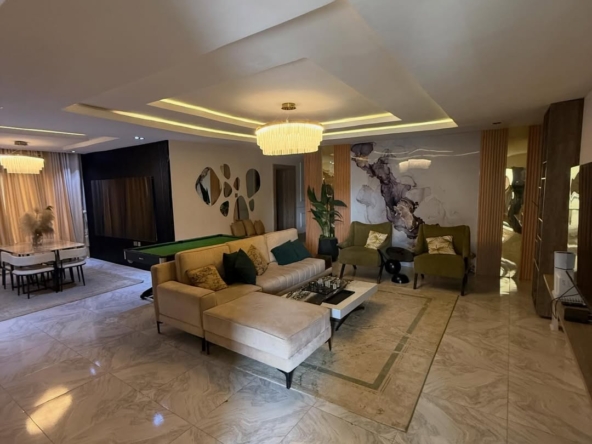
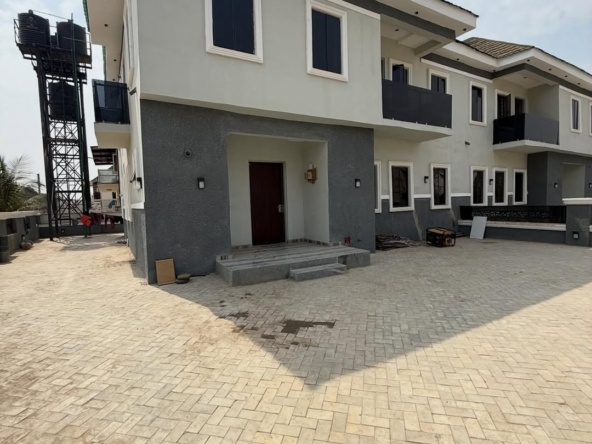
Should you rent or buy a house in Abuja? It is one of the most common questions people ask when relocating to the capital or planning their next move. The answer depends on your financial situation, how long you plan to stay, and your long-term goals.
This guide breaks down the real costs of renting versus buying in Abuja, compares them side by side, and helps you decide which option makes more sense for your situation in 2026.
The True Cost of Renting in Abuja
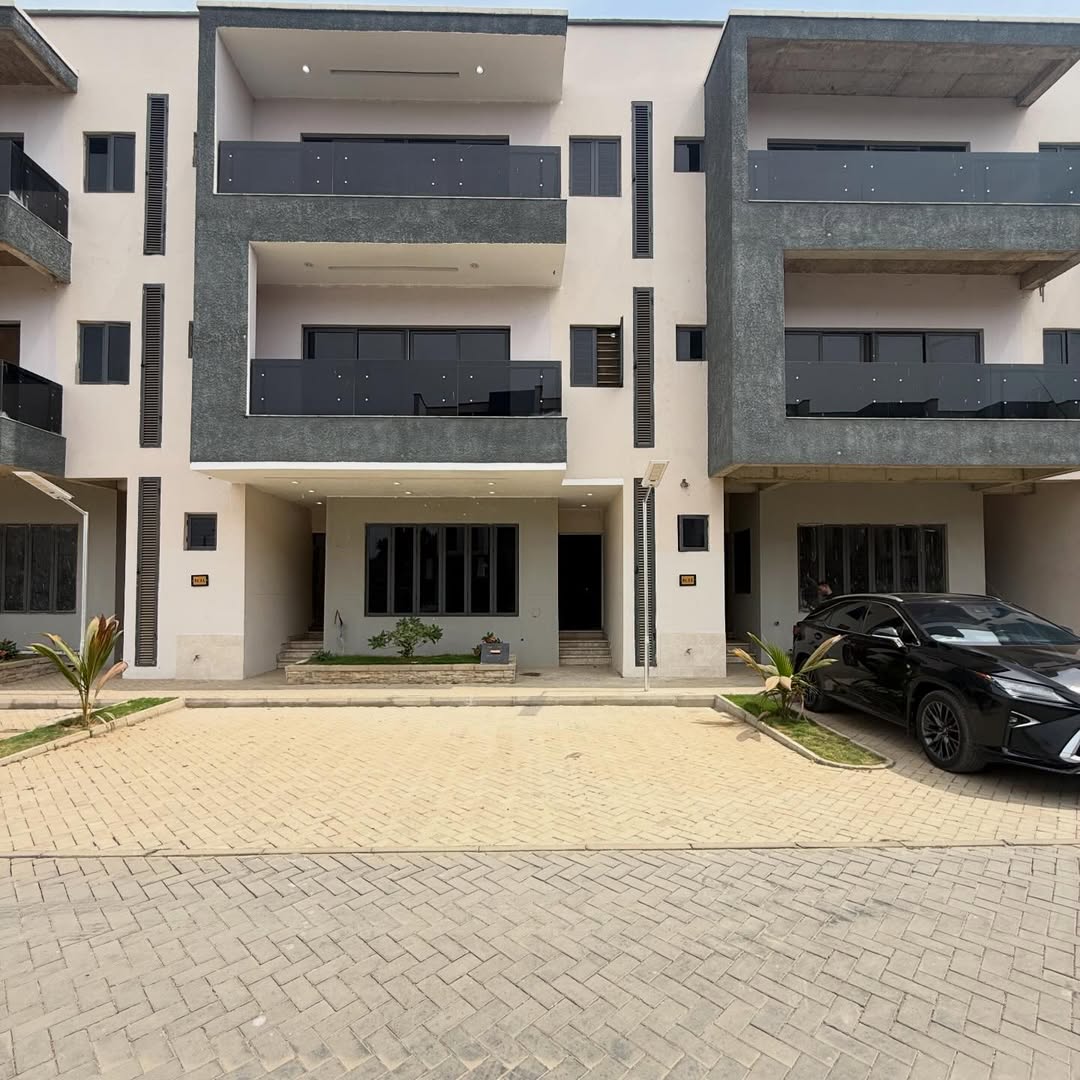
Renting in Abuja requires significant upfront payment. Unlike many countries where rent is paid monthly, Nigerian landlords typically demand 1-2 years of rent in advance, plus additional fees.
| Property Type | Affordable Areas | Mid-Range Areas | Premium Areas |
|---|---|---|---|
| 2-bed flat | ₦800K – ₦1.5M/yr | ₦2M – ₦4M/yr | ₦5M – ₦10M/yr |
| 3-bed flat | ₦1.2M – ₦2M/yr | ₦3M – ₦6M/yr | ₦7M – ₦15M/yr |
| 3-bed duplex | ₦1.5M – ₦3M/yr | ₦4M – ₦8M/yr | ₦10M – ₦25M/yr |
| 4-bed duplex | ₦2M – ₦4M/yr | ₦5M – ₦12M/yr | ₦15M – ₦40M/yr |
Additional costs when renting include agency fees (equivalent to one year’s rent), legal/agreement fees (₦50K-₦150K), caution/security deposit (₦100K-₦500K), and service charge in gated estates (₦500K-₦3M/year).
The True Cost of Buying in Abuja
Buying requires a larger upfront investment but builds equity over time. Beyond the purchase price, budget 15-25% extra for transaction costs.
| Cost Item | Amount |
|---|---|
| Purchase price | ₦25M – ₦1B+ (varies by area) |
| Legal fees | 5-10% of price |
| Agency commission | 5% |
| Governor’s Consent | 3% |
| Stamp duty | 1.5% |
| AGIS registration | ₦50K – ₦200K |
For detailed prices by area and property type, see our guide to house prices in Abuja.
Rent vs Buy: 5-Year Cost Comparison
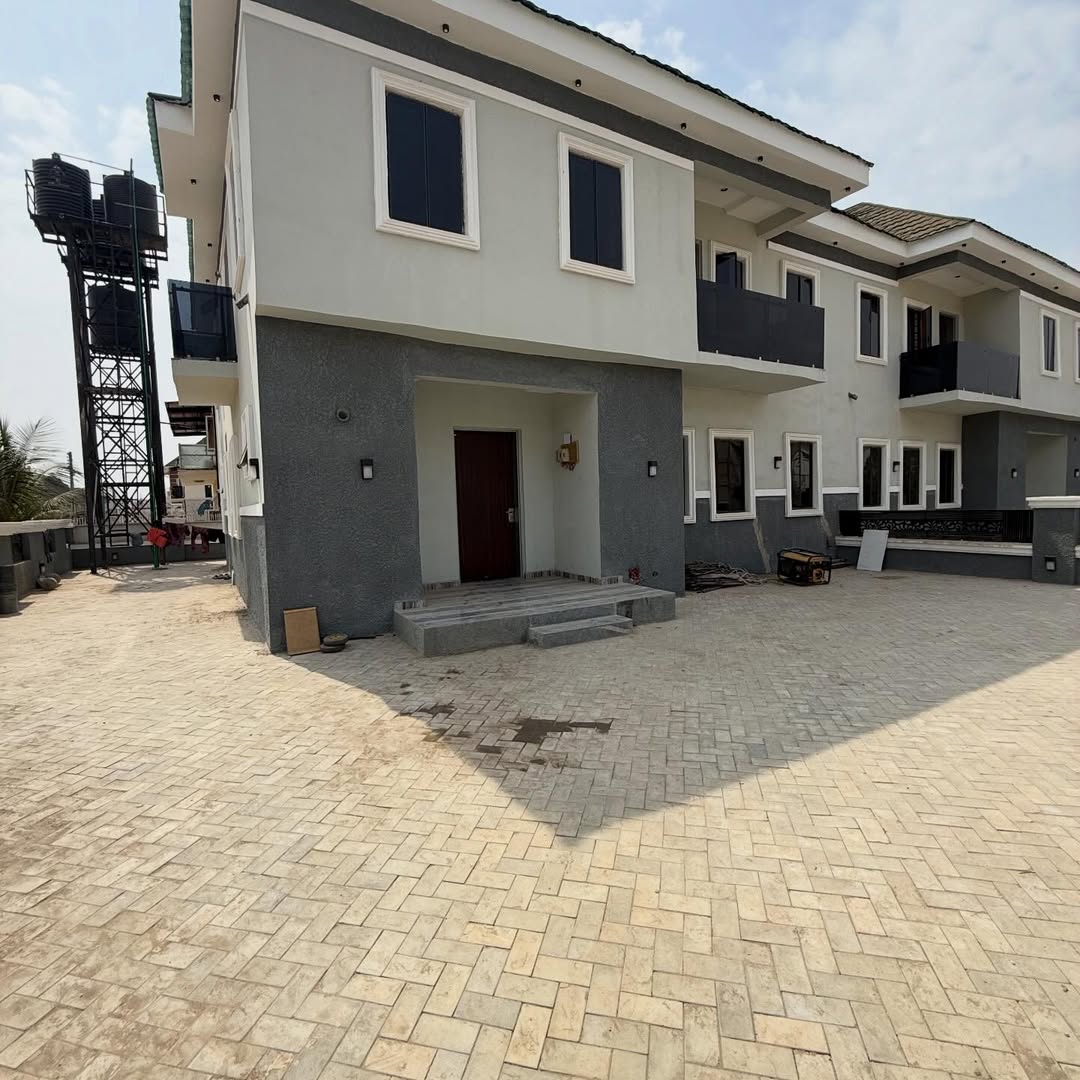
Let us compare the total cost of renting versus buying a 4-bedroom duplex in Jahi over 5 years:
| Factor | Renting (5 years) | Buying |
|---|---|---|
| Initial outlay | ₦12M-₦15M (2-year advance) | ₦85M-₦105M (price + fees) |
| Total paid over 5 years | ₦35M-₦50M | ₦85M-₦105M |
| Asset value at end | ₦0 (nothing owned) | ₦100M-₦140M (with appreciation) |
| Net position | -₦35M to -₦50M | +₦15M to +₦35M equity gain |
Over 5 years, the buyer in this scenario ends up with a property worth more than they paid, while the renter has spent ₦35-50 million with nothing to show for it. This is the core argument for buying — but it only works if you can afford the upfront cost and plan to stay long enough.
When Renting Makes More Sense
- Short-term stay: If you are in Abuja for less than 3 years (e.g., a contract posting), renting is usually cheaper after accounting for buying/selling costs
- Limited capital: If you cannot afford the 15-25% transaction costs on top of the purchase price
- Testing an area: Rent first to understand the neighbourhood before committing to buy
- Career uncertainty: If you might transfer to another city within 2-3 years
- Investment elsewhere: If you can earn higher returns investing your capital in a business or other assets
When Buying Makes More Sense
- Long-term residence: If you plan to live in Abuja for 5+ years, buying almost always wins financially
- Inflation hedge: Property values rise with naira depreciation — your rent will increase, but your mortgage (if any) stays fixed
- Rental income potential: You can rent out the property if you relocate, generating passive income
- Legacy asset: Property can be passed to your children — rent payments cannot
- No landlord risk: You will never face eviction, sudden rent increases, or a landlord refusing to renew
The Hybrid Approach: Buy to Let
Many Abuja residents use a hybrid strategy: buy a property in an affordable area (Lugbe, Karsana, Lokogoma) for ₦25M-₦50M and rent it out, while renting a nicer property in a mid-range area closer to work. The rental income from the owned property covers part of the rent, and the property appreciates over time.
This approach works especially well for diaspora buyers who want to build an Abuja property portfolio while living abroad. Read our Abuja property investment guide for more on this strategy.
Our Recommendation
If you can afford it and plan to stay in Abuja for 5+ years, buy. Abuja property prices have risen 15-25% between 2024 and 2026, and this trend is likely to continue as demand grows and the naira continues to adjust. The sooner you buy, the more you benefit from appreciation.
If you are not ready to buy yet, that is fine — start by understanding the market. Read our complete guide to buying a house in Abuja and best areas to buy to prepare for when the time is right.
Find Your Next Home in Abuja
Whether you decide to rent or buy, AI Realent lists verified properties across all Abuja areas. Every listing includes confirmed pricing, title documentation status, and agent-verified photos.
Browse houses for sale | Browse houses for rent | Contact Israel Akhabue