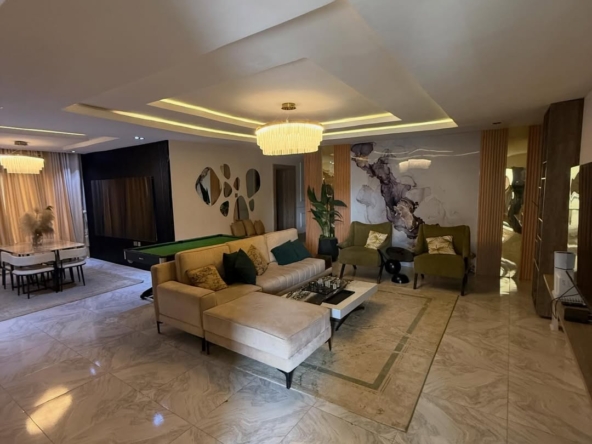
You saved for years, checked the title, paid for the survey, and finally collected the keys. Then a pipe bursts and floods the ground floor. Or a neighbour’s generator catches fire and it spreads to your fence. Or thieves empty the house while you travel for Christmas. Only one thing decides whether that becomes a bad week or a wiped-out savings account. Was the property insured?
For most Nigerians, a house is the biggest thing they will ever own. Yet property insurance still gets treated as an afterthought, something for banks and big companies. This guide changes that. It explains, in plain terms, what home insurance in Nigeria covers, what it costs, whether the law requires it, and how to arrange it after you buy.
What “property insurance” really means in Nigeria
There is no single product called “home insurance.” It is a family of covers, and you pick what fits your situation.
- Fire & Special Perils (building cover). The core policy. It protects the physical building against fire, lightning, explosion, storm, flood, and impact. If the structure is damaged or destroyed, the insurer pays to rebuild or repair. Every homeowner should have this one.
- Householder’s Comprehensive. A bundle that covers the building and the contents inside it (furniture, electronics, appliances), plus theft and sometimes accidental damage. Good for a family home you live in and have furnished.
- Home Contents only. If you rent, you do not insure the building, since that is the landlord’s job. You can still insure your own belongings against fire and burglary.
- Landlord insurance. If you bought the property as an investment to rent out, this covers the building plus landlord risks: loss of rent after damage, and liability if a tenant or visitor is injured.
- Public liability. Covers you if someone is injured on your property and holds you responsible. That is a real risk for multi-tenant buildings and estates.
- Buildings under construction (Contractors’ All Risks). If you bought land and are building, this protects the project while it goes up.
You do not need all six. A family buying a home to live in usually wants Fire & Special Perils plus contents, which together make up a Householder’s Comprehensive. An investor buying to let wants landlord cover.
Is home insurance compulsory in Nigeria?
Partly, and this is where people get confused.
Under the Insurance Act 2003, two kinds of property insurance are legally required. Buildings under construction more than two floors high must be insured (Section 64). Public buildings, meaning offices, schools, shops, hotels, event centres, and blocks of flats used by the public, must carry liability insurance for the people inside them (Section 65).
A private home you live in is not legally required to be insured. Skipping it is still a gamble. No law forces you to fix your car’s windscreen either, yet you still do it, because paying out of pocket hurts. The body that regulates all of this is NAICOM, the National Insurance Commission, and any insurer you deal with should be NAICOM licensed.
If you took a mortgage, the lender will almost always insist on building insurance, and often a mortgage protection policy, as a condition of the loan. For financed buyers, it becomes compulsory in practice.
How much does home insurance cost in Nigeria?
Less than most people fear. Premiums are priced as a small percentage of the sum insured, which is the rebuild value, not the market price of the house.
As a rough guide for 2026:
- Fire & Special Perils (building only): around 0.1% to 0.25% of the building’s rebuild value per year. On a building you would rebuild for ₦100,000,000, that is roughly ₦100,000 to ₦250,000 a year.
- Householder’s Comprehensive (building, contents, theft): higher, often 0.3% to 0.6%, because it covers more.
- Contents only (for renters): priced off the value of your belongings, usually modest.
Two things move the price. The first is construction quality and location. A gated estate with security costs less to insure than an exposed standalone plot. The second is the cover you add, since flood, burglary, and all-risks each cost a little extra. Always get two or three quotes, because rates vary between insurers for the exact same house.
One thing people get wrong: insure for the cost to rebuild, not what you paid. Land value is not at risk in a fire; the structure is. Over-insuring wastes premium. Under-insuring means the insurer only pays part of a claim, under what is called the average clause. A quantity surveyor or the insurer’s own assessor can set the right figure.
What to check before you buy a policy
The policy is only as good as the company behind it and the fine print you skipped. Before you pay:
- Is the insurer NAICOM licensed? Check. Unlicensed “insurance” is worthless.
- What is excluded? Every policy leaves something out. Read for flood, subsidence, wear and tear, and unoccupied-property clauses. Many policies cut cover if the house sits empty for more than 30 days.
- How are claims paid, and how fast? Ask for the claims process in writing, and ask around about whether the insurer actually pays. A cheap premium from a slow-paying insurer is a false economy.
- Is the sum insured correct? Too low and you get penalised at claim time.
- Who is the broker? A good insurance broker shops several insurers for you and fights your corner at claim time, usually at no extra cost, since the insurer pays them.
How to buy home insurance in Nigeria, step by step
- Decide the cover you need: building only, building and contents, or landlord.
- Work out the rebuild value of the structure.
- Get two or three quotes, either directly from insurers or through one broker who compares them for you.
- Read the exclusions and confirm the claims process.
- Pay and collect your policy document, meaning the schedule and certificate. Keep a copy off-site or in the cloud.
- Review it every year. Update the sum insured as building costs rise, and after any renovation.
For Abuja property buyers
If you have just bought, or are about to buy, in Abuja, insurance is the last cheap step that protects the expensive one. A duplex in Maitama, a family home in Gwarinpa, a flat in Jahi: whatever you paid, a fire or flood without cover means starting again.
A few pointers for Abuja:
- New estates often come with perimeter security and fire access, which can lower your premium. Mention it when you ask for a quote.
- Low areas that flood after heavy rain, such as parts of Lugbe, Kubwa, and Lokogoma, may need flood cover added on purpose. Do not assume it is included.
- If you bought land and are building, arrange construction cover before work starts, not after.
When you are ready to buy the property itself, that is our job. Browse verified houses for sale in Abuja, read our area guides, and get your paperwork right with our guide to the Deed of Assignment in Nigeria. Insure it once it is yours.
Frequently asked questions
Is home insurance compulsory in Nigeria?
Not for a private home you live in. It is required by the Insurance Act 2003 for buildings under construction over two floors, and for public buildings. Mortgage lenders usually require it too.
How much is home insurance in Nigeria?
For building-only fire cover, roughly 0.1% to 0.25% of the rebuild value per year. That is about ₦100,000 to ₦250,000 a year on a ₦100m building. Comprehensive cover costs more. Always get a quote for your own property.
Does home insurance cover theft and burglary?
Building-only fire policies do not. You need a Householder’s Comprehensive or a contents policy for theft cover, and you should check the security conditions the insurer attaches.
Should I insure the market value or the building value?
The building’s rebuild cost, not the market price. Land does not burn; the structure does. Insuring the full market price over-pays premium for no benefit.
Can renters get home insurance?
Yes, with a contents policy. The landlord insures the building. You insure your own belongings against fire and theft.
Who regulates insurance in Nigeria?
NAICOM, the National Insurance Commission. Only deal with NAICOM-licensed insurers and brokers.
Buying a property in Abuja? See houses for sale or contact AI Realent. We will help you find a genuine property, get the title right, and point you to a licensed insurer to protect it.
{“@context”:”https://schema.org”,”@type”:”FAQPage”,”mainEntity”:[{“@type”:”Question”,”name”:”Is home insurance compulsory in Nigeria?”,”acceptedAnswer”:{“@type”:”Answer”,”text”:”Not for a private home you live in. It is required by the Insurance Act 2003 for buildings under construction over two floors, and for public buildings. Mortgage lenders usually require it too.”}},{“@type”:”Question”,”name”:”How much is home insurance in Nigeria?”,”acceptedAnswer”:{“@type”:”Answer”,”text”:”For building-only fire cover, roughly 0.1% to 0.25% of the rebuild value per year. That is about NGN100,000 to NGN250,000 a year on a NGN100m building. Comprehensive cover costs more. Always get a quote for your own property.”}},{“@type”:”Question”,”name”:”Does home insurance cover theft and burglary?”,”acceptedAnswer”:{“@type”:”Answer”,”text”:”Building-only fire policies do not. You need a Householder’s Comprehensive or a contents policy for theft cover, and you should check the security conditions the insurer attaches.”}},{“@type”:”Question”,”name”:”Should I insure the market value or the building value?”,”acceptedAnswer”:{“@type”:”Answer”,”text”:”The building’s rebuild cost, not the market price. Land does not burn; the structure does. Insuring the full market price over-pays premium for no benefit.”}},{“@type”:”Question”,”name”:”Can renters get home insurance?”,”acceptedAnswer”:{“@type”:”Answer”,”text”:”Yes, with a contents policy. The landlord insures the building. You insure your own belongings against fire and theft.”}},{“@type”:”Question”,”name”:”Who regulates insurance in Nigeria?”,”acceptedAnswer”:{“@type”:”Answer”,”text”:”NAICOM, the National Insurance Commission. Only deal with NAICOM-licensed insurers and brokers.”}}]}

Israel Akhabue is the founder and principal real estate consultant at AI Realent Global Resources Ltd, a verified real estate company serving Abuja and the Federal Capital Territory. With hands-on experience across Abuja's property market — from Maitama and Asokoro luxury homes to affordable options in Lugbe and Kubwa — Israel and his team personally inspect every listing, verify property documents with owners and developers, and guide buyers, renters and investors from search to handover. He writes on Abuja real estate to help buyers make informed, document-verified decisions and avoid costly mistakes.
View full profile & listings →